
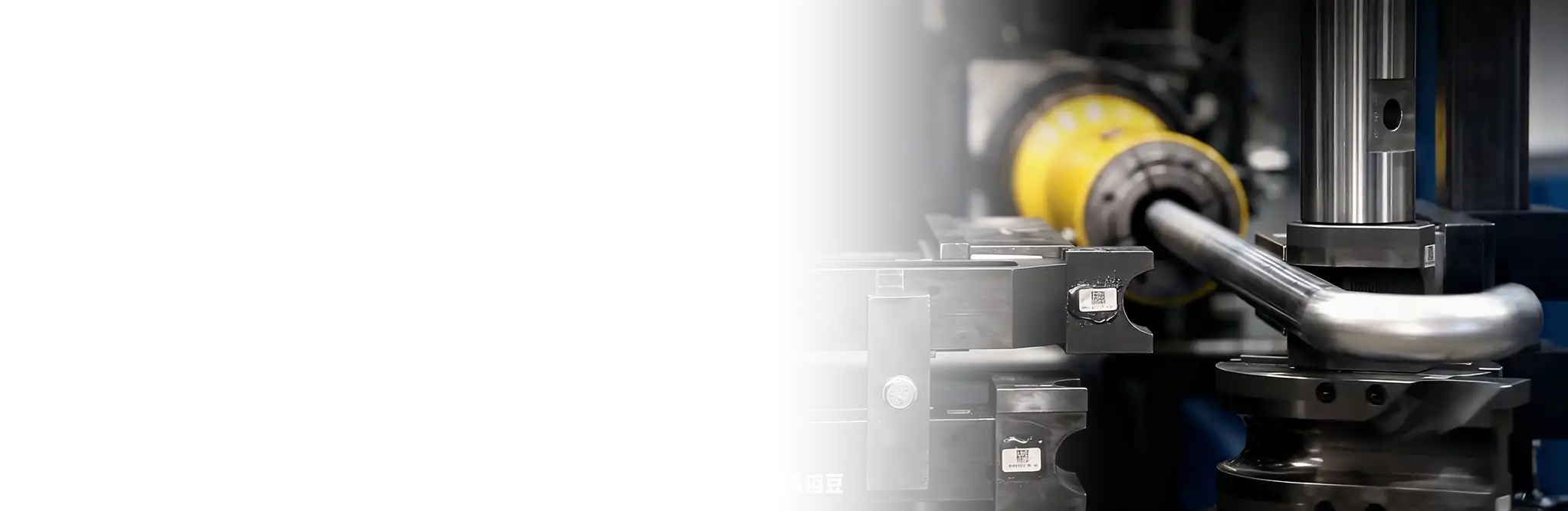
CNC Precision Tube Bending Services
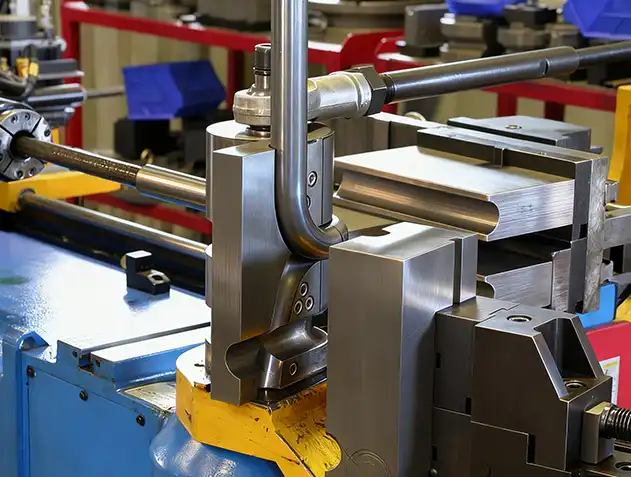
Mandrel-supported bending delivers smooth, consistent curves with minimal wall thinning and tight tolerances.
Upload STEP/IGES/DWG for DFM feedback and quote within 48 hours.
Accepted Formats: STEP · IGES · DWG · SLDPRT · PDF
Bend Design & Engineering Process
Before production, our engineers analyze your bend geometry, material properties, and production requirements to optimize tooling and machine parameters.
We provide design feedback, material recommendations, and springback compensation calculations to ensure dimensional accuracy in final assemblies.
- Tube OD (outside diameter) and wall thickness
- Material specification and hardness
- Bend radius and center line length
- Multiple plane bends and sequence
- Surface finish: as-bent or secondary cleaning
- Quantity and delivery timeline
Workflow: Upload design → 48h feedback → Quote with bend analysis → Sample or production run
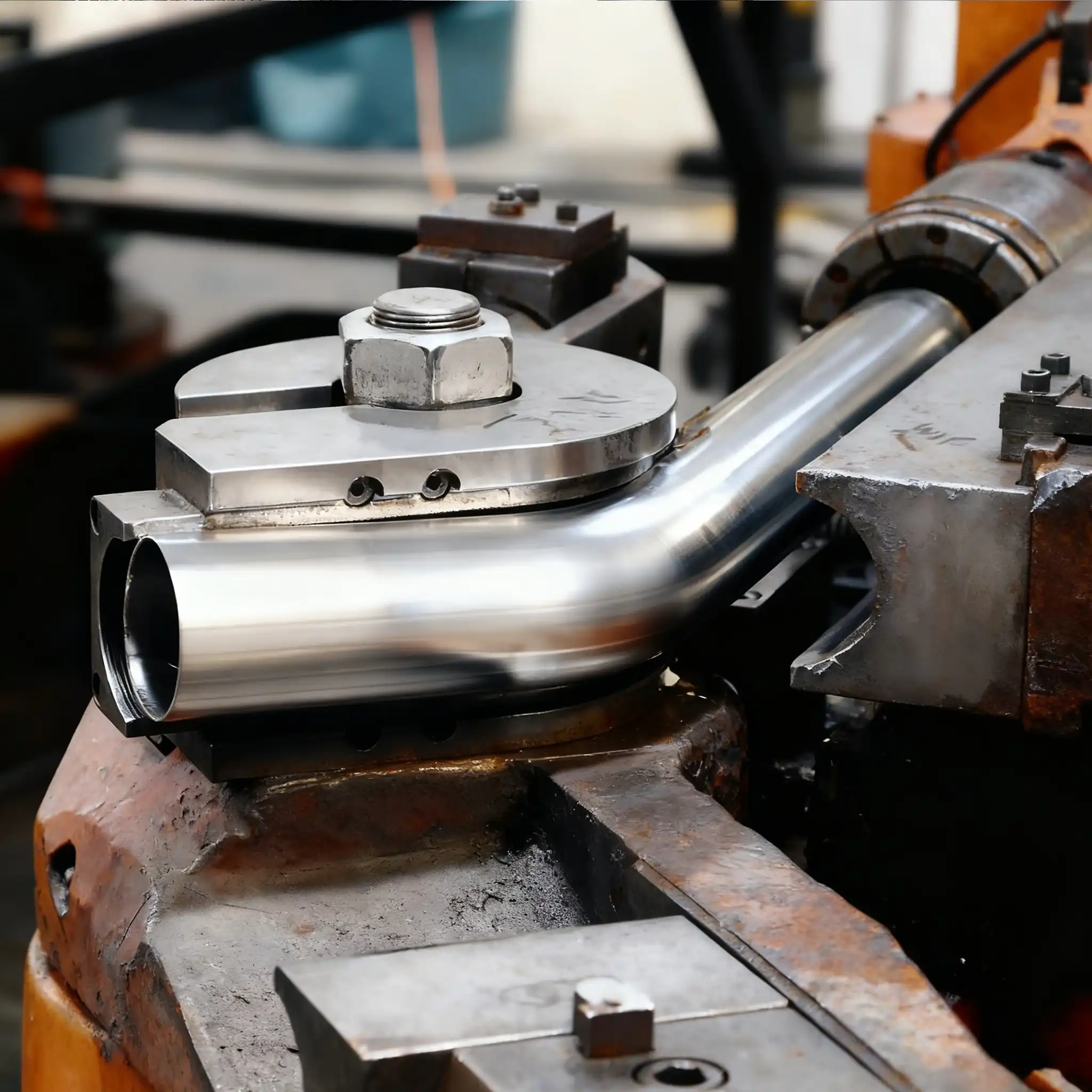
Work Samples
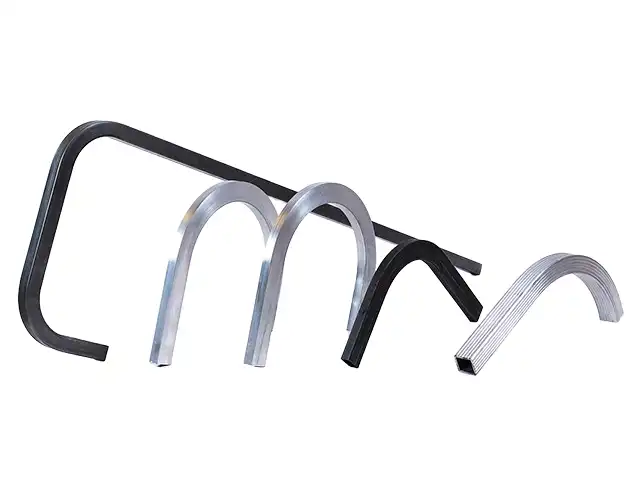
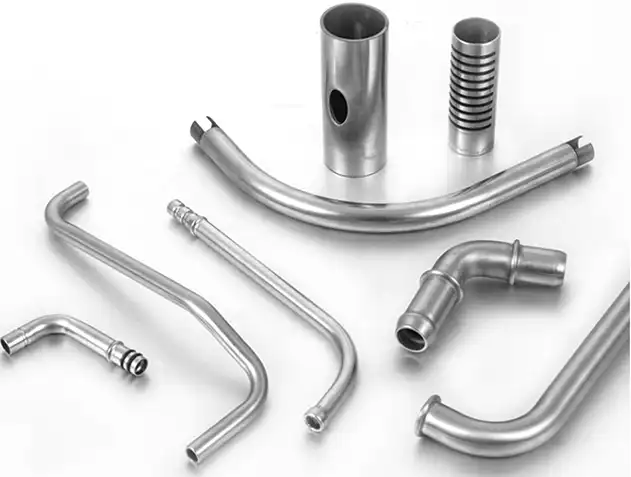
Representative examples of our CNC tube bending capabilities. These samples showcase precision bends with smooth curves and minimal wall thinning.


Technical Capabilities
Bending Process
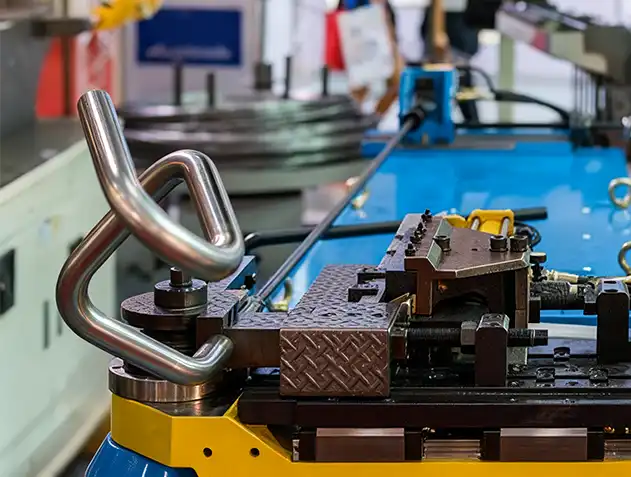
Our precision servo-controlled benders with mandrel support deliver smooth, repeatable curves ranging from simple single-plane bends to complex multi-directional geometries.
Mandrel support prevents collapsing and maintains wall thickness uniformity throughout the bend, enabling tight radii while minimizing springback.
Precision Standards
- Bend tolerance:±0.3–0.8 mm
- Min bend radius:1.5x–3x OD
- Wall thinning:5–10% typical
- Lead time:7–10 business days
Materials
We process a wide range of tube materials, from standard carbon steel to exotic alloys. Material selection guidance provided during engineering review.
- Mild steel and carbon steel
- Stainless steel (304, 316, 316L)
- Aluminum alloys (6061, 5052)
- Copper and brass
- Titanium (Grade 2, Grade 5)
Related Capabilities

Tube Fabrication
Laser cutting, CNC bending, flaring, and precision welding for tube structures.

Sheet Metal Fabrication
Laser cutting, press brake bending, stamping, and enclosure assembly.
CNC Machining
Precision milling, turning, and prototyping for complex geometries.

Welding & Assembly
TIG, MIG, laser welding with complete mechanical assembly services.
Surface Finishing
Powder coating, anodizing, polishing, and plating for corrosion protection.

Tooling Quality & Automation
Custom tooling, CMM inspection, and process automation solutions.
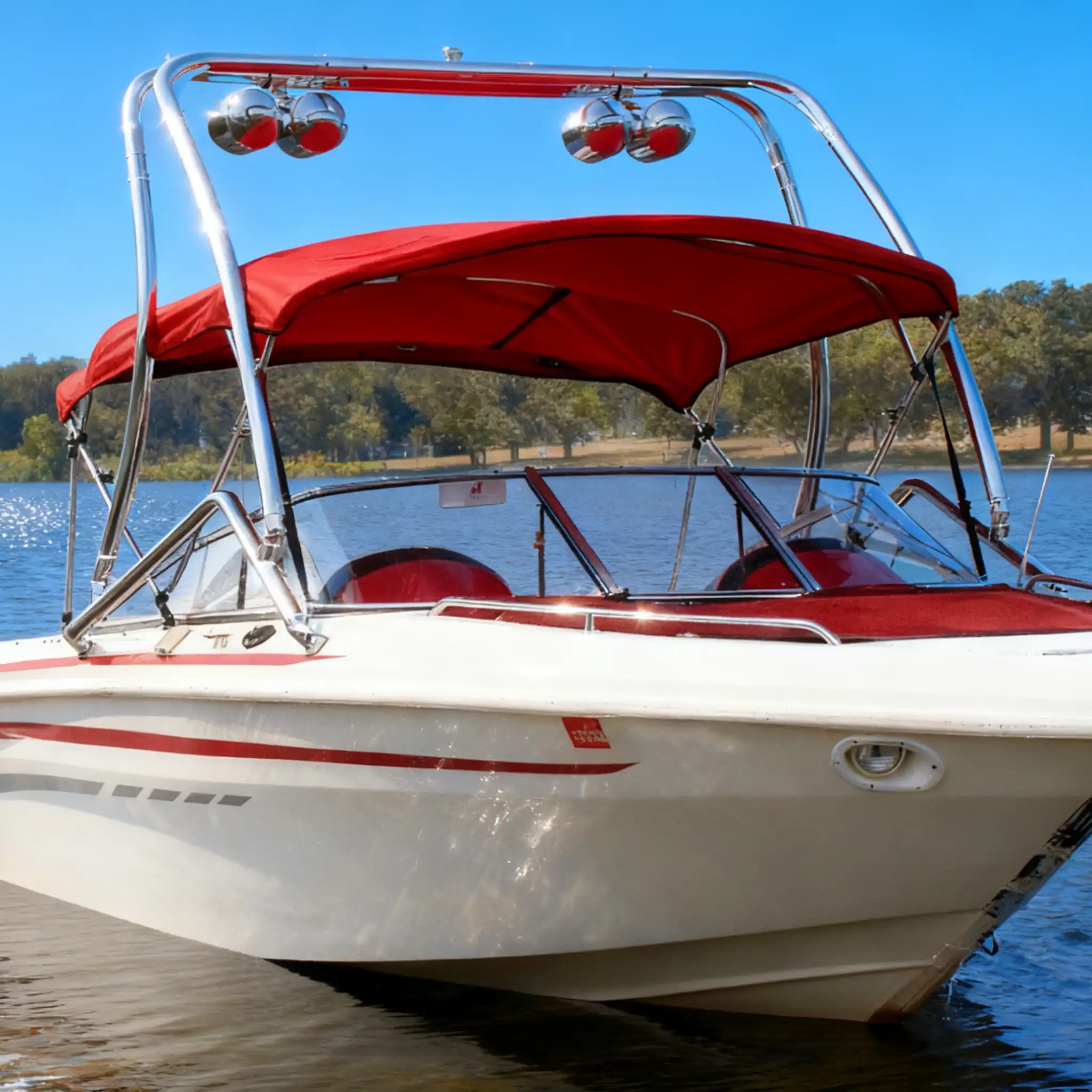
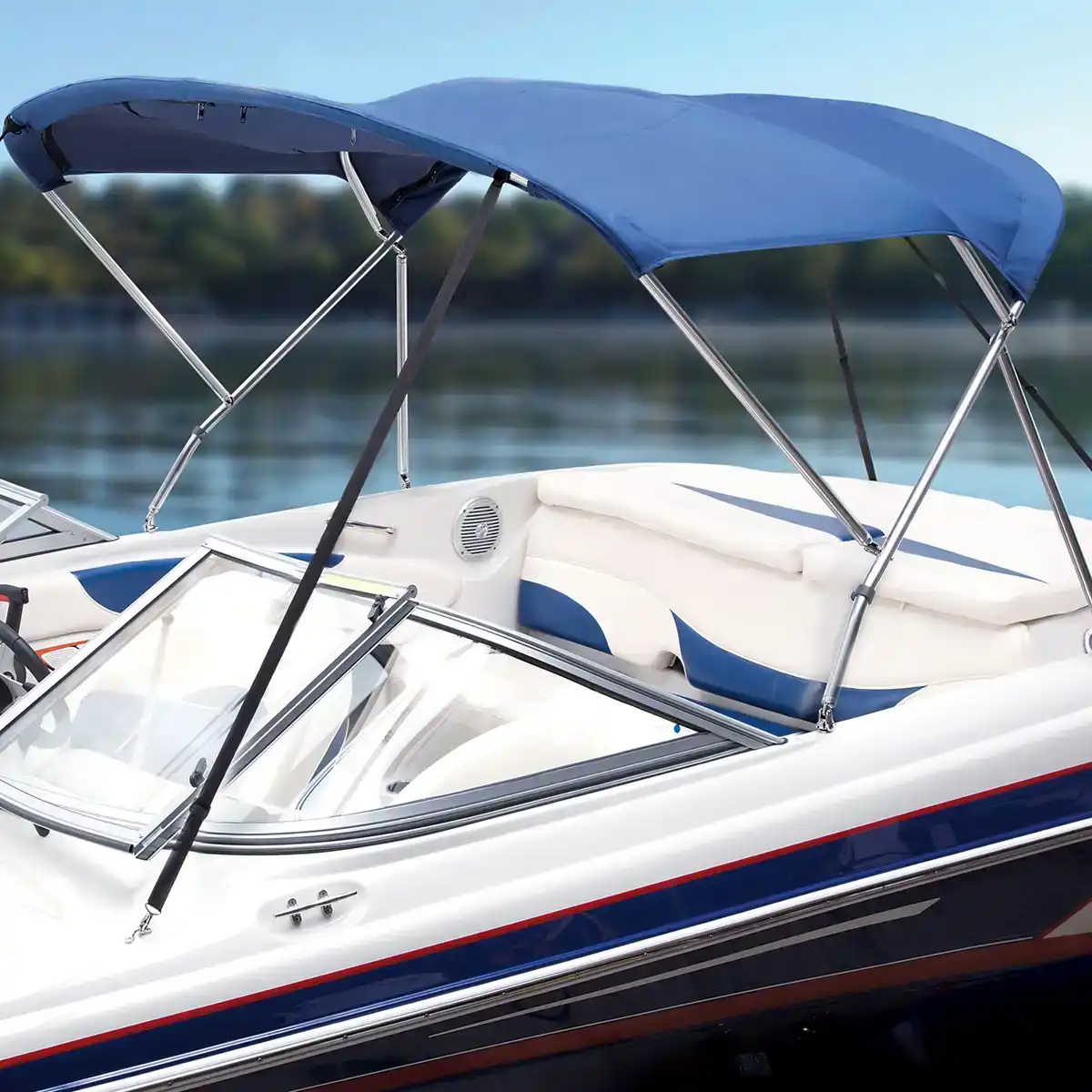
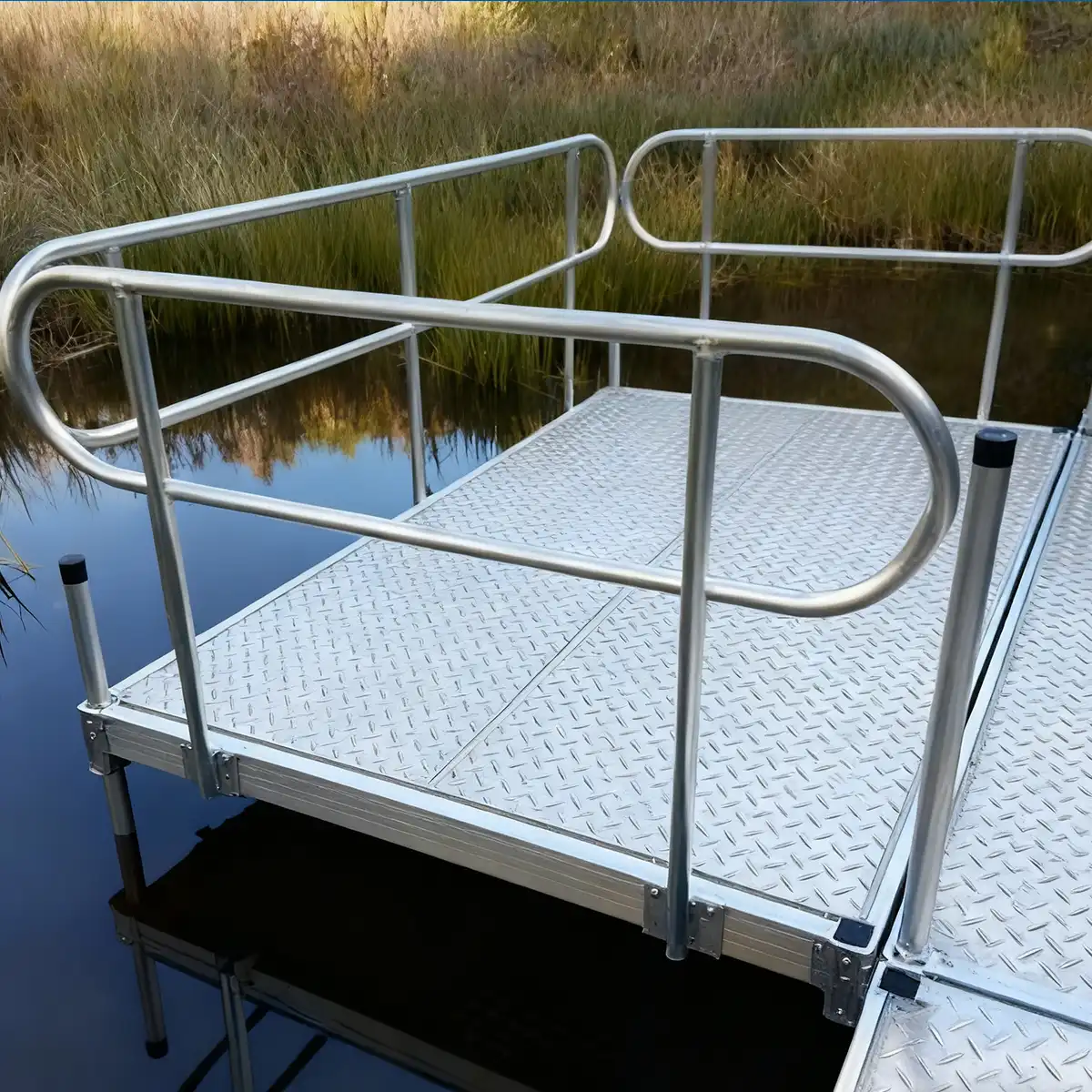
Products Using This Capability
Quality Assurance
Every bend verified for radius, position, and diameter consistency with full traceability.
Inspection & Verification
- First Article Inspection (FAI) for every new geometry
- Bend radius and centerline position verification
- Wall thickness measurement at critical areas
- Surface finish and visual inspection
- Dimensional verification before shipping
Quality Documentation
We provide FAI reports, bend test data, material traceability certificates, dimensional inspection reports, and Certificate of Conformance (CoC).
Certification: ISO 9001 compliant quality management system with traceable inspection records.
Why Choose X-KPR for Tube Bending
When precision bends drive your assembly timeline, X-KPR delivers engineering expertise, advanced equipment, and documented quality to ensure consistent results.
DFM Review & Material Analysis
Engineers evaluate your bend geometry, material properties, and production volume to optimize tool selection and cost.
Advanced CNC Bending Equipment
Precision servo-controlled benders with mandrel support and automated tool changing for repeatable results.
ISO 9001 Quality & Documentation
Every bend verified for radius, position, and diameter consistency. Material traceability certificates available.
Frequently Asked Questions
What are typical tube bending tolerances?
What materials can be bent?
What is minimum and maximum bend radius?
What causes wall thinning in tube bending?
Request a Quote
Provide tube specifications, bend geometry, material, and quantities. We'll analyze for feasibility and return a detailed quotation within 48 hours.
Accepted: STEP · IGES · DWG · SLDPRT · PDF
Request a Quote
Upload your designs and tell us about your project. We'll return DFM feedback and a detailed quote within 48 hours.